1. The Silence of Potala Palace
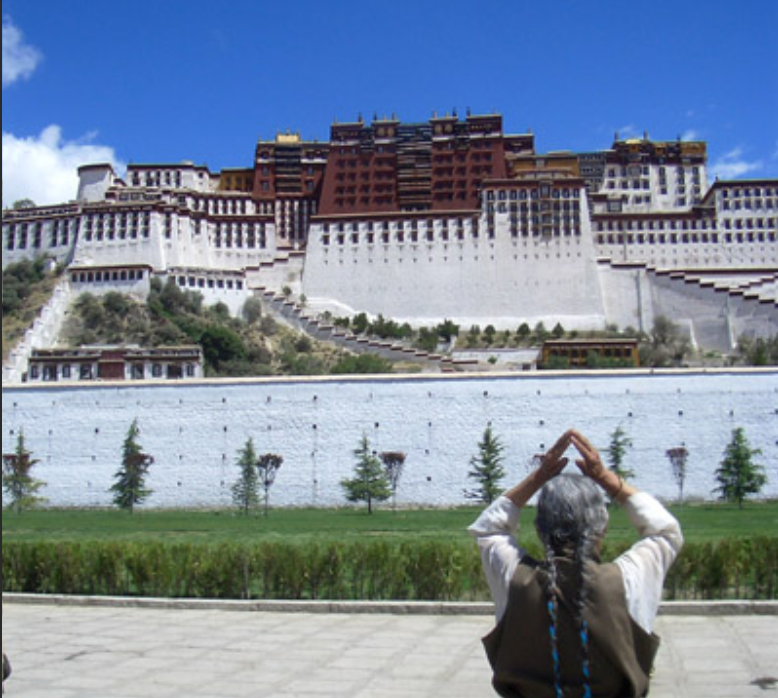
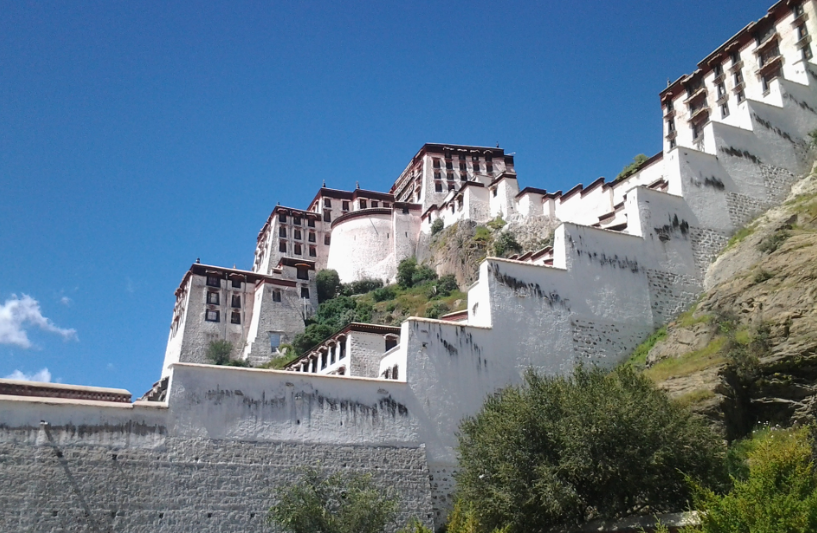
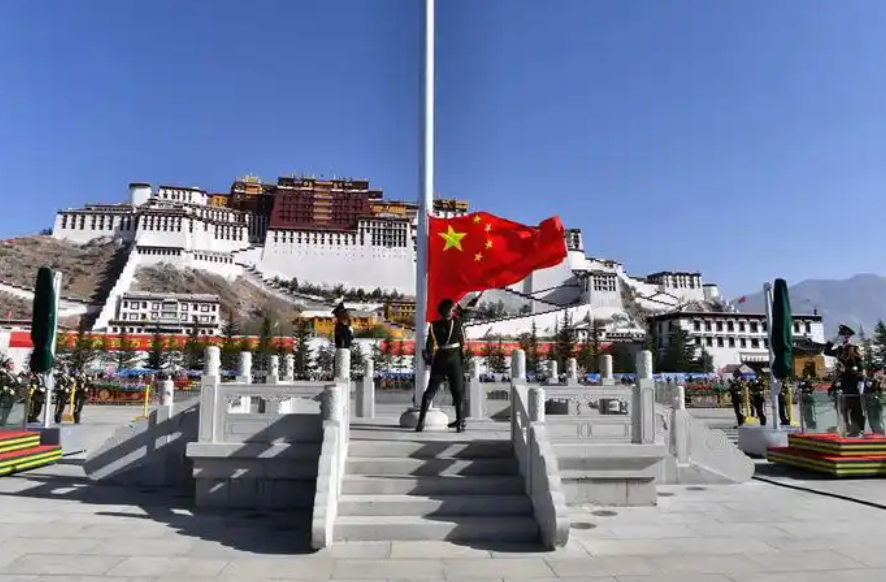
Under the thin sunlight of Lhasa, the Potala Palace still stands — austere, white and red against the mountains.
It once embodied the intersection of power and faith, the spiritual and political axis of Tibet.
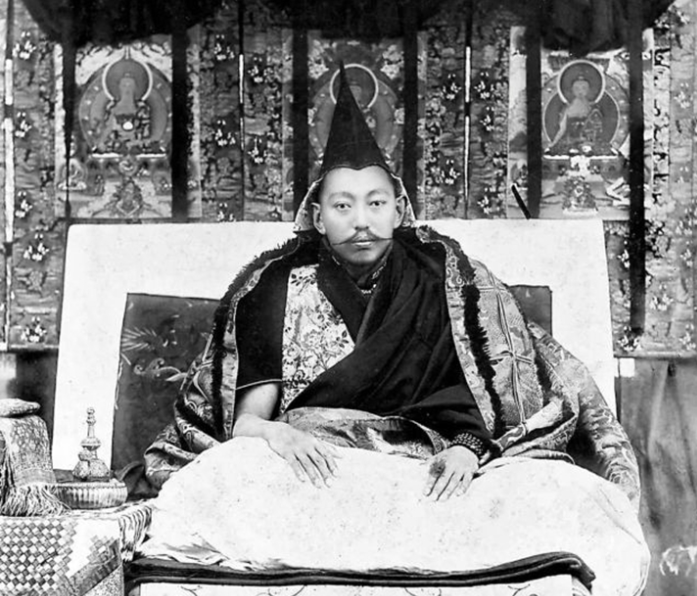
But since 1959, its throne has been empty.
The Dalai Lama lives in exile, a symbol rather than a sovereign, a voice carried across borders but absent from the place that gave it meaning.
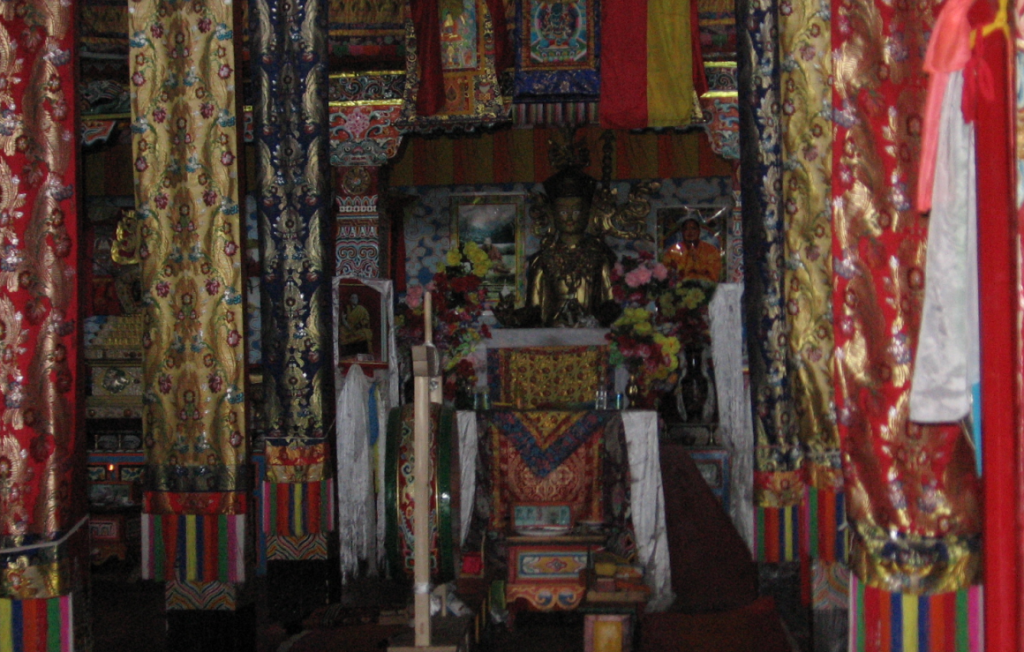
The empty seat inside the Potala is not just political; it marks a fracture in the continuity of Tibet’s spiritual and historical order — a wound that has never truly healed.
2. The Missed Moment
In the early 1980s, history briefly cracked open a door.
Deng Xiaoping famously said, “Apart from independence, everything can be discussed.”
China was reforming; ideology was flexible. The Dalai Lama, hopeful, offered his Middle Way Approach — neither independence nor submission, but genuine autonomy within China.
Had both sides trusted a little more, the Dalai Lama might have returned to Lhasa as a spiritual leader without political power.
But history’s inertia proved stronger than goodwill.
Mutual suspicion, geopolitical shifts, and domestic conservatism closed that door — slowly at first, then completely.
3. The Mirage of “Greater Tibet”
The Memorandum on Genuine Autonomy of 2008 was meant to give shape to the Middle Way, yet it became the epitaph of dialogue.
The Dalai Lama’s envoys demanded not only autonomy for the Tibet Autonomous Region (known historically as Ü-Tsang), but for the broader “Greater Tibet” — encompassing Tibetan areas of Qinghai, Sichuan, Gansu, and Yunnan.
For Beijing, this was nothing less than redrawing the map of China.
For the Tibetans, it was a plea for cultural wholeness.
The two visions collided, and negotiation turned into stalemate.
From that moment, “dialogue” became a diplomatic euphemism, and the Middle Way lost its political soil.
4. The Potala That Cannot Be Returned To
Today’s China is more powerful — and more centralized — than at any point since 1949.
The language of “autonomy” has given way to “integration.”
Religion is increasingly bureaucratized; ethnic identity, standardized.
Channels for negotiation have been folded into layers of control.
In this climate, the Dalai Lama will not return to the Potala Palace.
His body remains in Dharamsala, while his influence within Tibet has been reduced to quiet memory.
The palace still glows under the sun, but its footsteps no longer belong to him.
5. The Coming Storm of Reincarnation
The question of the 15th Dalai Lama will ignite the next storm.
Beijing has already declared that all reincarnations of “living Buddhas” must be approved by the state.
The Dalai Lama, meanwhile, has said he may choose not to reincarnate — or to do so outside China.
That means two Dalai Lamas may soon exist:
one officially recognized by Beijing, the other by the exile community.
It will not merely be a religious debate but a confrontation over legitimacy — political versus spiritual sovereignty.
6. Beyond Politics: The Quiet Continuity
Perhaps the era for political solutions has passed.
Yet history is larger than politics.
In Lhasa and Kangding, in Amdo, and in faraway communities in India, Nepal, Switzerland, and New York —
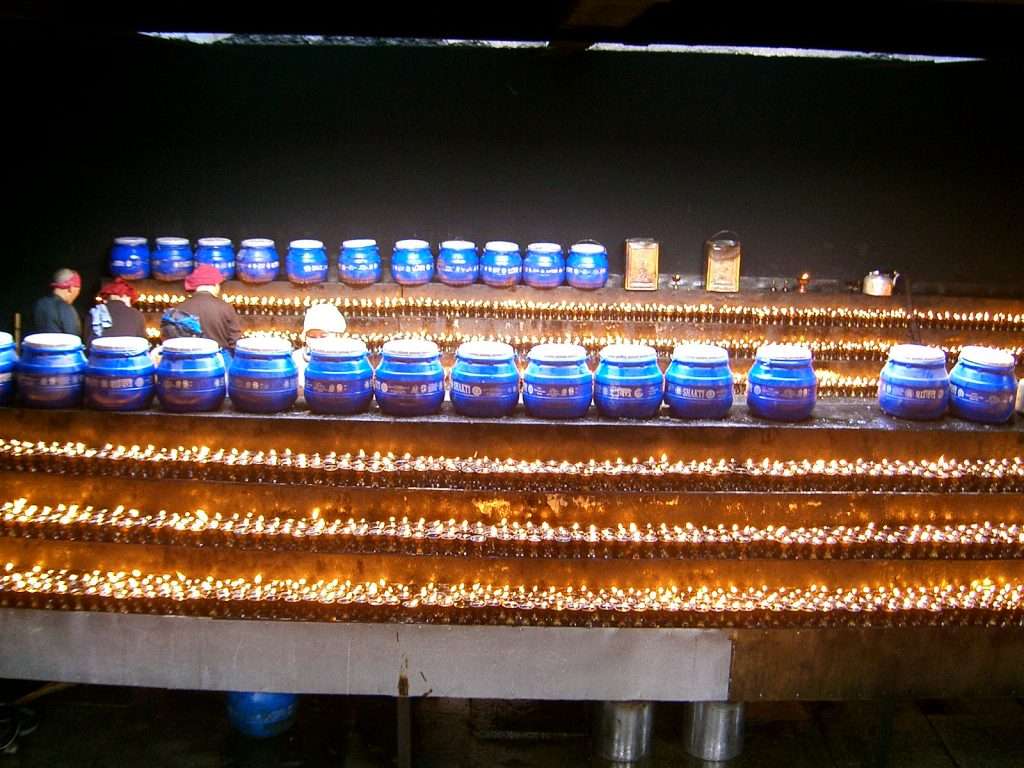
Tibetan children still learn their language, monks still turn their prayer wheels at dawn, and families still whisper mantras under the same stars.
They no longer expect the return of a ruler; they preserve a living memory — the rhythm of prayer, the cadence of a language, the quiet resilience of faith.
In that persistence lies Tibet’s truest autonomy.
7. Epilogue
The empty throne of Potala may never again be filled.
Yet some thrones are meant to remain vacant — to remind us that faith, autonomy, and dignity lose meaning when stripped of sincerity.
One day, another age may reopen that closed door.
When it does, the one who walks through may not be the Dalai Lama himself,
but a new understanding — of freedom, reconciliation, and the enduring grace of memory.