
Dzi beads, known in China as Tibetan Dzi beads due to their Tibetan origins, are ancient gemstones steeped in profound cultural heritage and mystique. Dating back to 3000–1500 BCE in ancient India, these beads have evolved over millennia into an integral part of Tibetan Buddhist culture. This article explores the origins, historical anecdotes, craftsmanship, and cultural value of Dzi beads, unveiling their unique allure and deep symbolism.
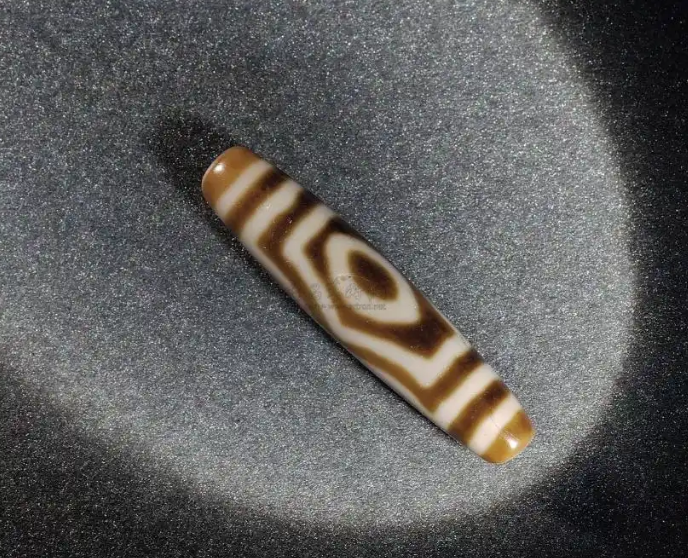
The name “Dzi” itself carries an air of mystery. Revered as sacred objects in Tibetan Buddhism since antiquity, Dzi beads are believed to ward off evil, attract wealth, and ensure safety. In recent years, their market value has surged alongside the growing collectibles trade, making them highly sought-after treasures. But when exactly did Dzi beads originate? What historical tales lie behind them? And what distinguishes their craftsmanship and cultural significance?
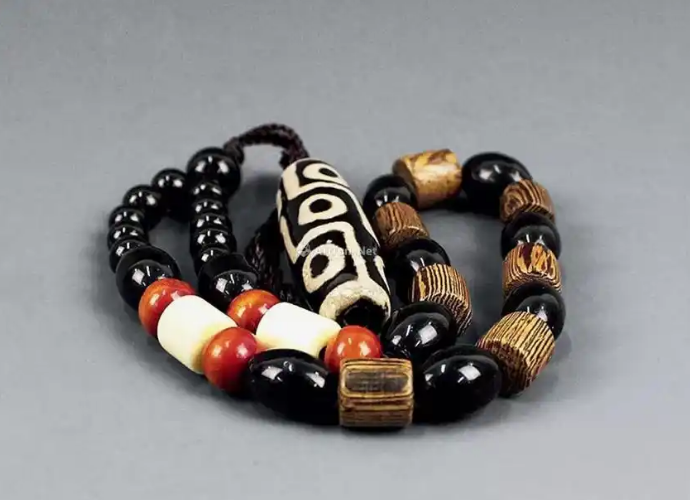
I. Origins and Historical Anecdotes
(1) Origins
Dzi beads trace their roots to ancient India between 3000 and 1500 BCE. According to the Vedas, early civilizations inscribed sacred mantras and totemic symbols onto stones to invoke divine protection and elevate spiritual consciousness—a practice that birthed the earliest forms of Dzi beads. In Tibet, records of Dzi beads first appeared during the Zhangzhung Kingdom era, where naturally patterned agate stones were revered as celestial gifts, forming the most primitive iterations of Dzi. Over time, these beads evolved from simple totems into gemstones imbued with religious and mystical power.
(2) Historical Tales
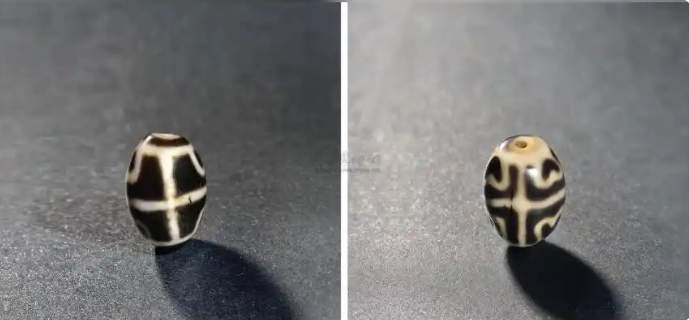
Dzi beads are entwined with rich historical narratives, the most famous being their association with Princess Wencheng’s journey to Tibet. In 641 CE, during Emperor Taizong’s reign in the Tang Dynasty, Princess Wencheng married Tibetan King Songtsen Gampo, bringing as dowry a sacred statue of the 12-year-old Buddha from India. This statue, later enshrined in Lhasa’s Jokhang Temple, was adorned with over a hundred Dzi beads—including rare nine-eyed, three-eyed, two-eyed, vase-patterned, and tiger-striped Dzi—solidifying their status in Tibetan Buddhism and enriching their historical legacy.
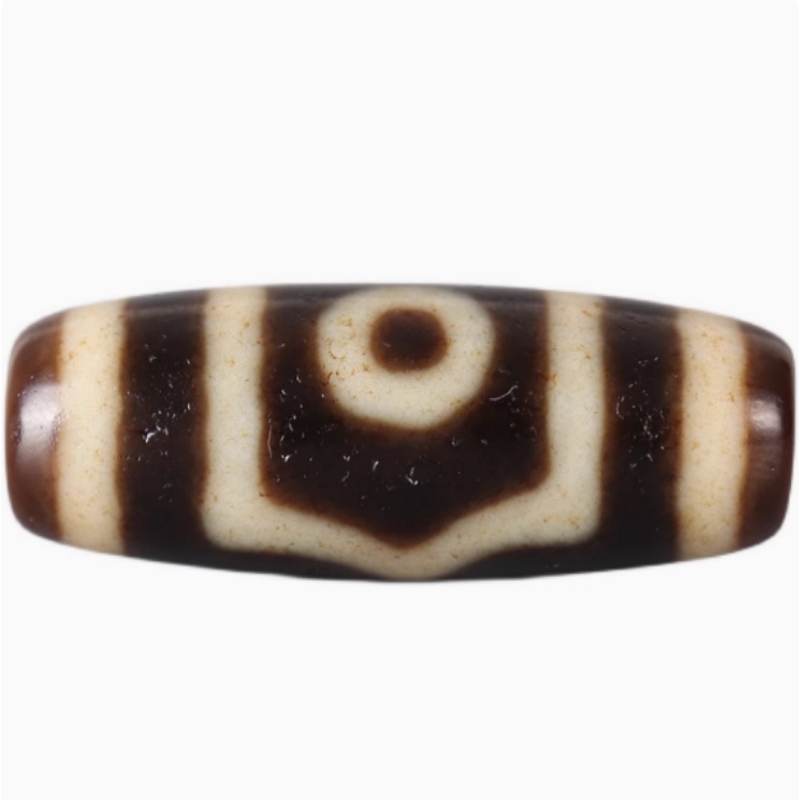
Myths further shroud Dzi beads in mysticism. Some legends claim they were ornaments of deities that fell to earth; others suggest they were formed from solidified “spirit worms” or meteorites refined by enlightened practitioners. While unverified, these tales amplify their enigmatic allure.
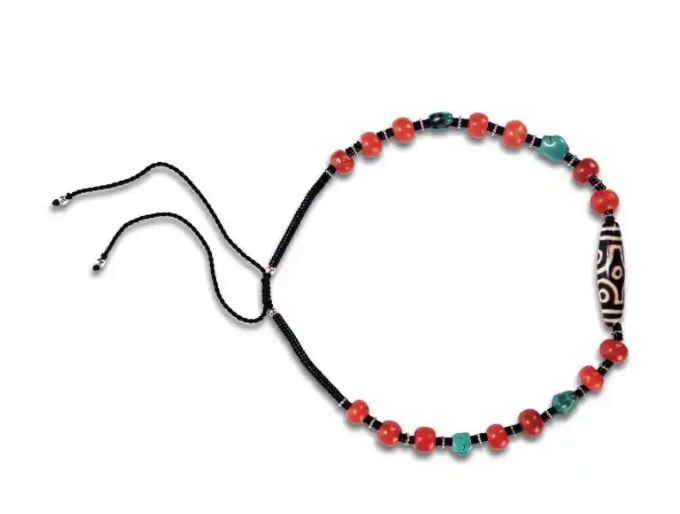
II. Craftsmanship
Dzi bead production involves intricate techniques, including material selection, carving, polishing, and etching—a hallmark of their artistry. Authentic Dzi beads are crafted from natural agate or chalcedony, etched with sacred motifs through ancient methods.
(1) Material Selection
Only premium, uniformly colored agate or chalcedony is chosen, prized for both beauty and mineral-rich energy.
(2) Carving and Polishing
Artisans meticulously shape the raw stones to precise designs, demanding exceptional skill and patience.
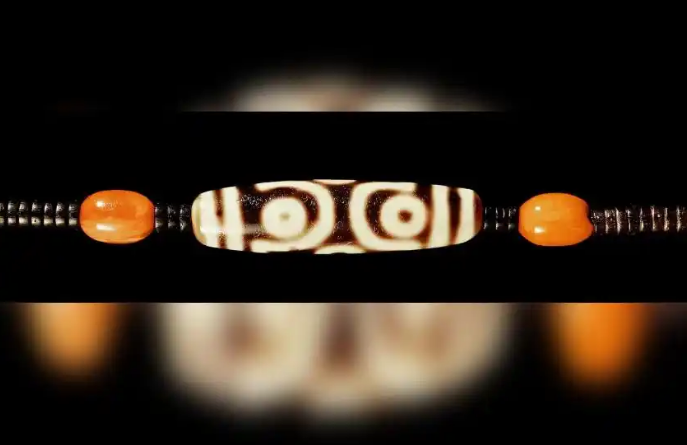
(3) Etching
The defining step: artisans etch symbolic patterns (e.g., eyes, waves) using traditional techniques, followed by high-temperature firing to permanently fuse the designs.
III. Cultural Significance
As pillars of Tibetan Buddhist culture, Dzi beads hold immeasurable value—spiritual, social, and artistic.
(1) Religious Role
Revered as talismans against evil and attractors of fortune, Dzi beads are worn by monks to enhance spiritual practice and by laypeople for protection. They also feature prominently in rituals and temple offerings.
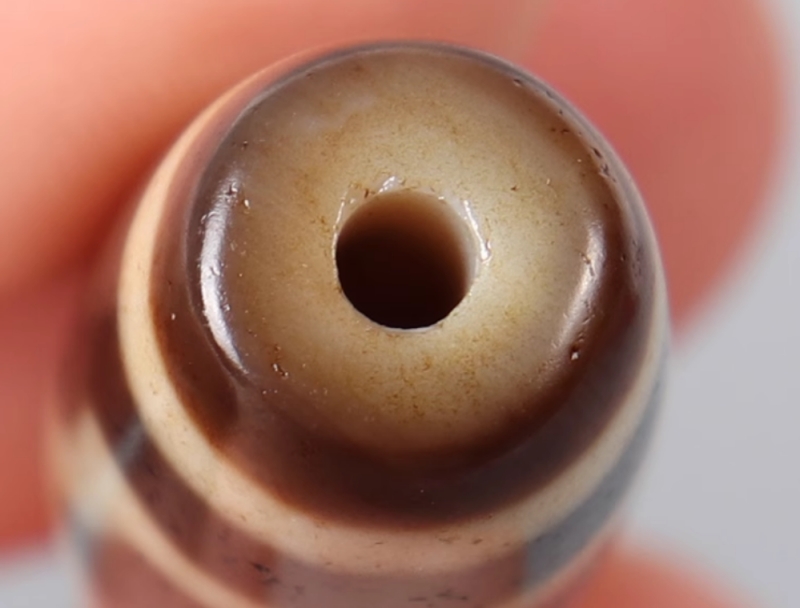
(2) Social Symbolism
In Tibetan society, Dzi beads signify wealth, lineage, and honor, often gifted at weddings or coming-of-age ceremonies.
(3) Artistic Mastery
Each bead reflects unparalleled craftsmanship, blending cultural narratives with aesthetic brilliance.
IV. Collectibility and Market Value
Auction records showcase Dzi beads’ soaring worth, driven by:
(1) Rarity
Few survive in pristine condition, intensifying demand.
(2) Cultural Capital
Their spiritual heritage transcends monetary value.
(3) Investment Potential
Stable appreciation attracts collectors and investors alike.
(4) Market Trends
Growing global fascination fuels their premium status.
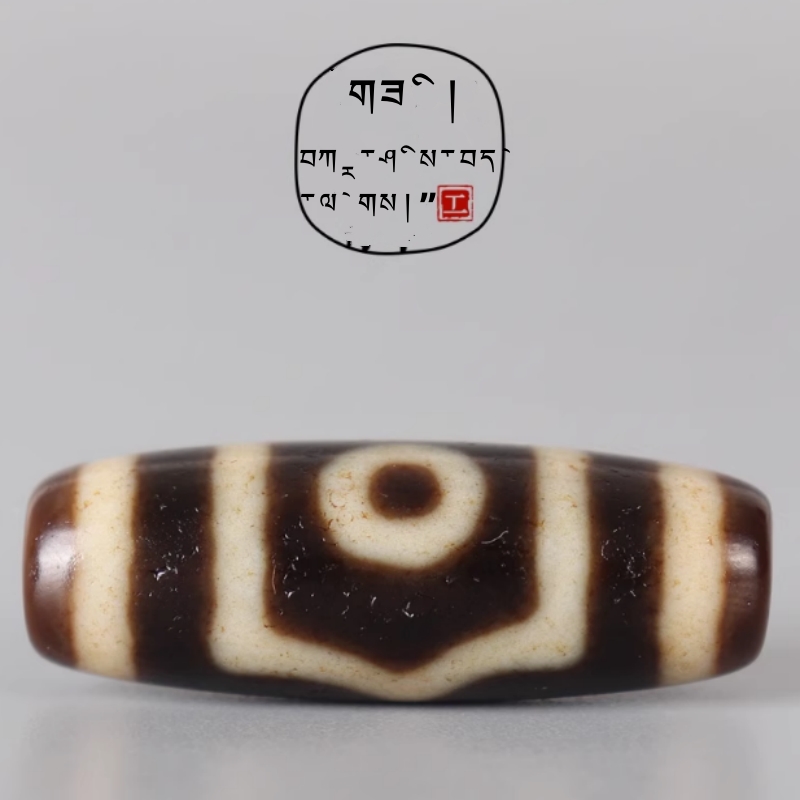
V. Conclusion
Dzi beads—bridging art, faith, and history—embody Tibetan Buddhism’s grandeur. As awareness spreads, their legacy will only shine brighter, captivating future generations.