
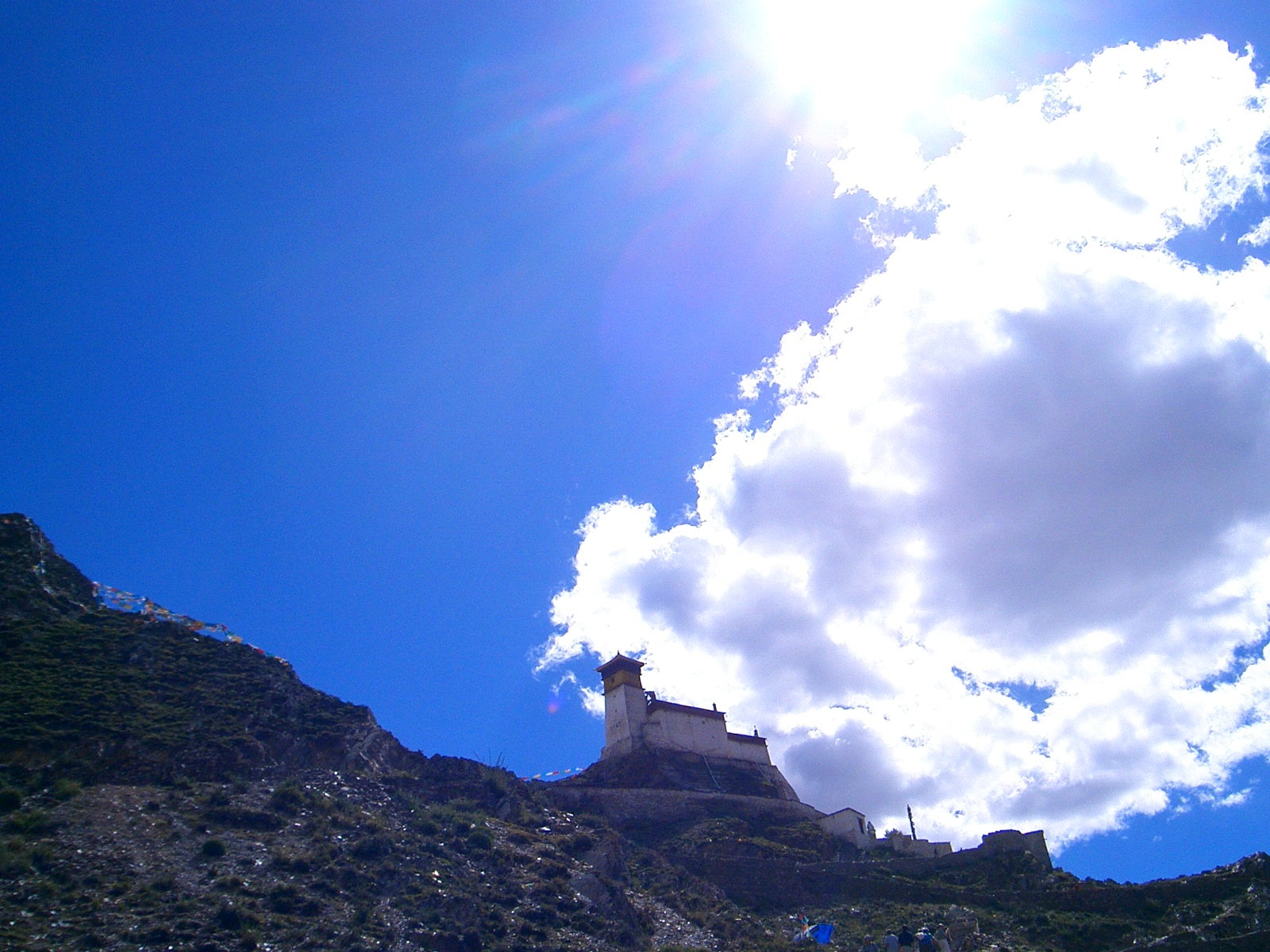
In the Nedong District of Shannan, Tibet, along the northward stretch of Naidong Road, one can gaze upon a serene yet majestic palace towering atop the Chakpori Hill. This is Yumbulagang—the first palace and the first architectural structure in Tibetan history.
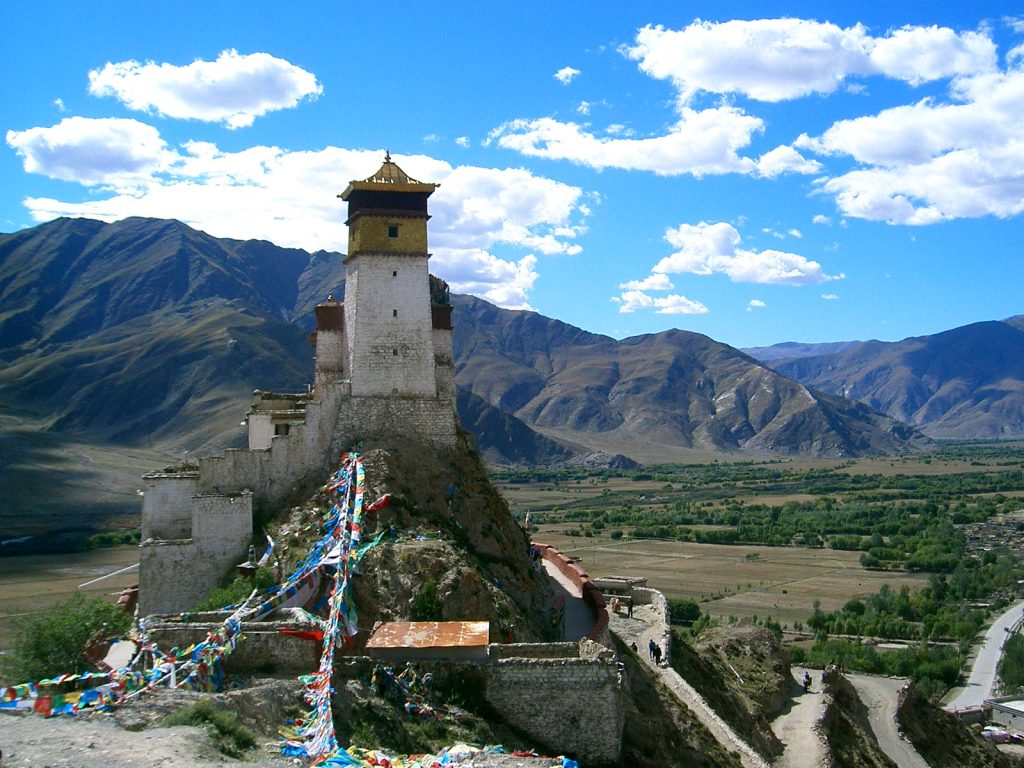
The name “Yumbulagang” means “Palace of Mother and Son” in Tibetan. Built in the 2nd century BCE, legend tells of hardworking farmers and herders at the foot of Chakpori Hill who encountered a handsome and wise stranger—Nyatri Tsenpo, Tibet’s first recorded king. Recognizing his divine aura, they built Yumbulagang on the hillside to honor him.
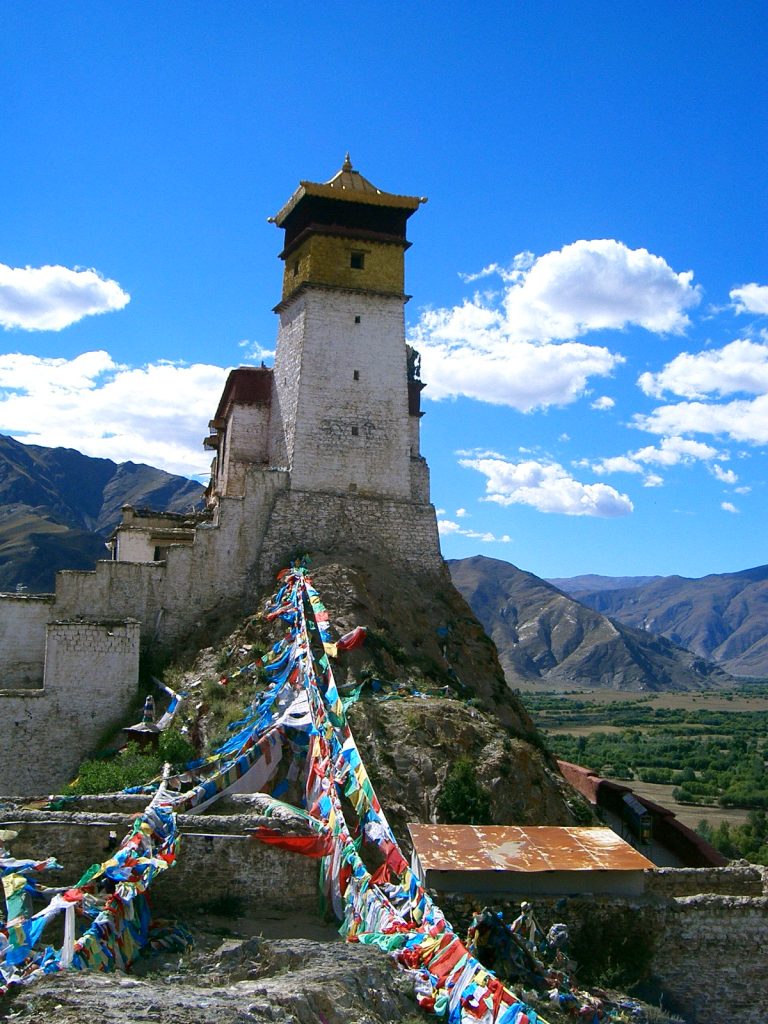
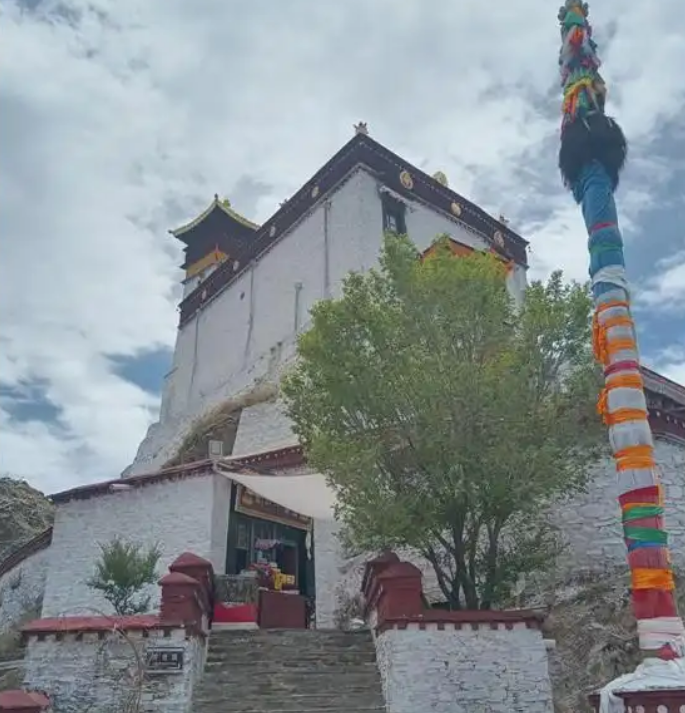
The palace clings to the mountain, its massive stone walls merging seamlessly with the cliffs. With three sides overlooking steep drops and only one approach from the rear, it was a natural fortress. From here, Nyatri Tsenpo unified the Yarlung tribes. The structure has three levels:
- The first floor includes a 33-square-meter entrance hall with a small canopied platform, followed by a Buddhist chapel housing statues of Songtsen Gampo, Princess Wencheng, and others.
- The second floor features a terrace enclosed by low walls and a cloistered corridor around a sunlit courtyard.
Originally the royal seat of the Yarlung kings, Yumbulagang was converted into a Buddhist temple after Songtsen Gampo moved the capital to Lhasa, later serving as his and Princess Wencheng’s summer retreat. By the 5th Dalai Lama’s era, a gilded four-cornered spire was added, transforming it into a Gelugpa monastery. Inside, statues of Sakyamuni Buddha, Nyatri Tsenpo, Lhatotori Nyentsen, Songtsen Gampo, Princess Wencheng, and Trisong Detsen stand as silent witnesses to Tibet’s layered past.
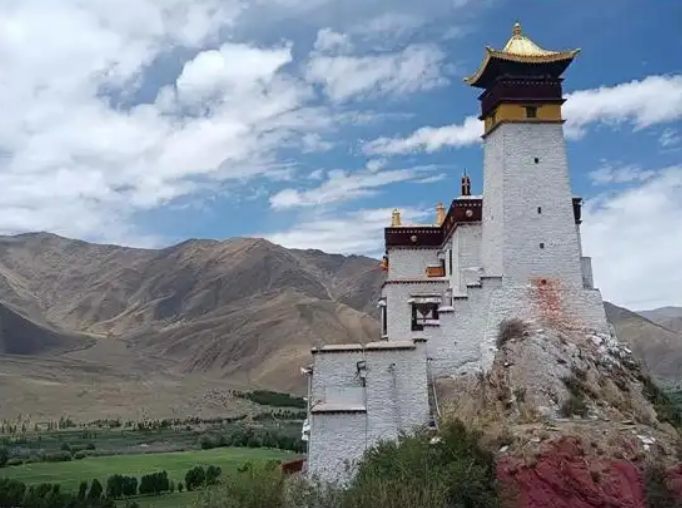
Though dwarfed by the Potala Palace in scale and fame, Yumbulagang predates it by over 800 years. Its cliffside design inspired the Potala’s architecture, while its imposing watchtower influenced Khampa dwellings like the Jiarong Tibetan Village in Sichuan’s Garzê.
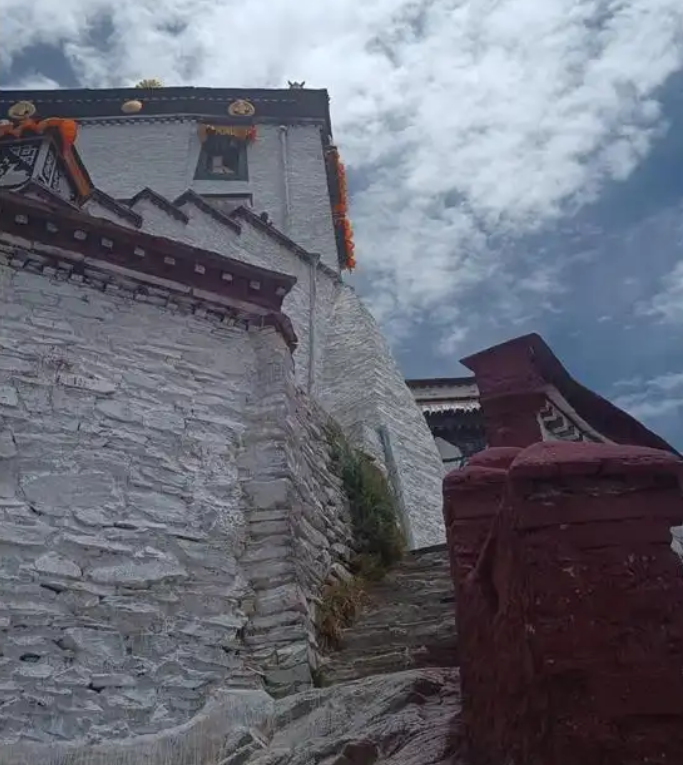
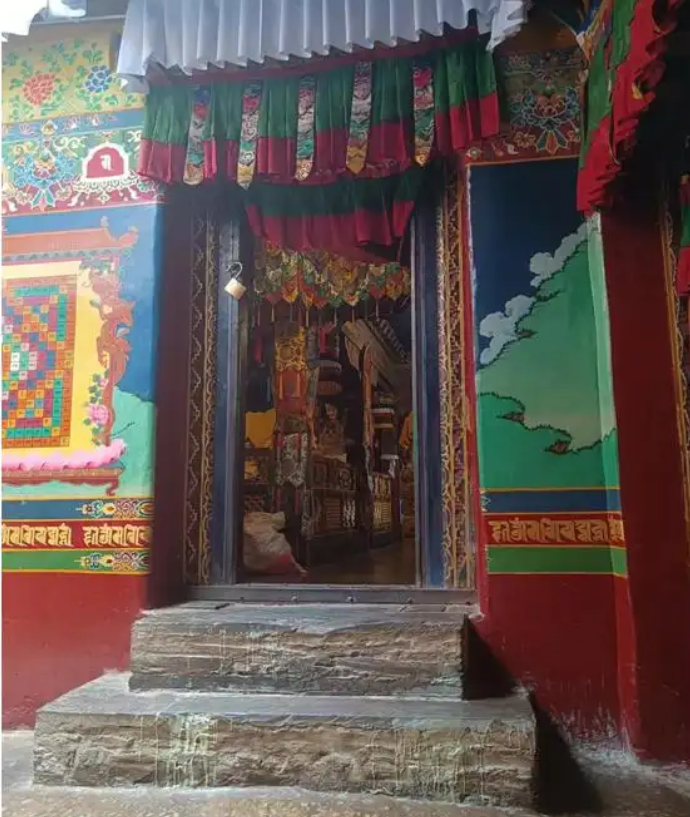
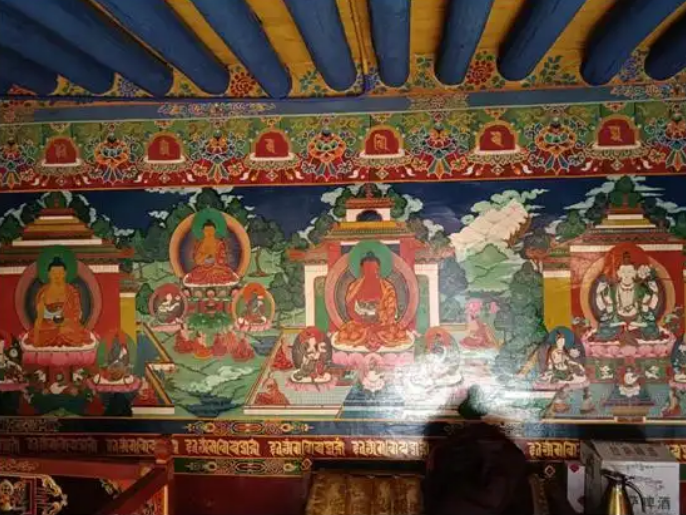
Visitors can ascend on horseback or on foot. We chose to hike the steep, winding path at 4,000 meters above sea level, tracing the footsteps of Tibet’s earliest rulers. Two millennia of history linger in its walls—where Nyatri Tsenpo once governed, where Songtsen Gampo and Wencheng summered. Faded murals and statues whisper tales of war and dynastic shifts. To Tibetans, this unassuming fortress-like structure is the birthplace of their civilization, the sacred heart of the ancient Tibetan Empire.
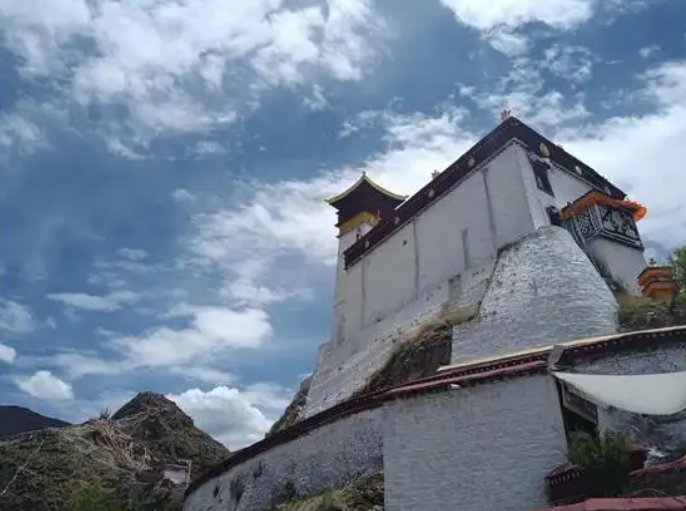
Today, Yumbulagang’s regal aura endures. Revered as a symbol of imperial glory and geomantic power, it remains a site of pilgrimage and pride. And so, from this mountain perch, Tibet’s architectural legacy began.
Wonderful,beautiful