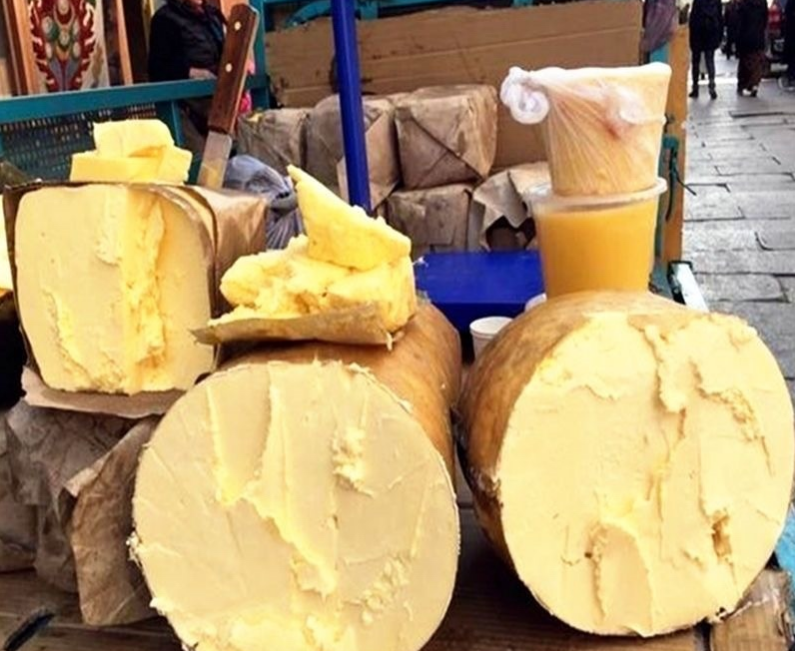
If you’ve ever been to Tibet, you must have tried butter tea, right? Indeed, butter tea is an essential drink offered by Tibetans to their guests, much like how Han Chinese serve tea or Westerners serve coffee. If there’s one flavor that best represents the uniqueness of Tibet, it would undoubtedly be the taste of butter.
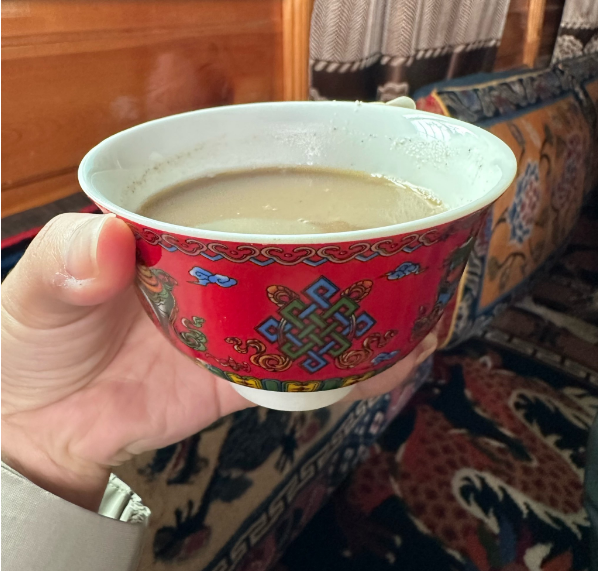
Butter tea comes in two varieties: sweet and salty. First-time drinkers might find the taste a bit unusual, but after a few tries, most people grow accustomed to it. In high-altitude regions, drinking butter tea helps combat altitude sickness, so we advise all travelers to Tibet to drink plenty of it. When visiting a Tibetan home, if you take a small sip of butter tea, the host will typically refill your cup immediately, symbolizing their wish for your cup to always remain full—a gesture of hospitality. If you’ve had enough, you can politely cover your cup with your hand to signal that you don’t want more.
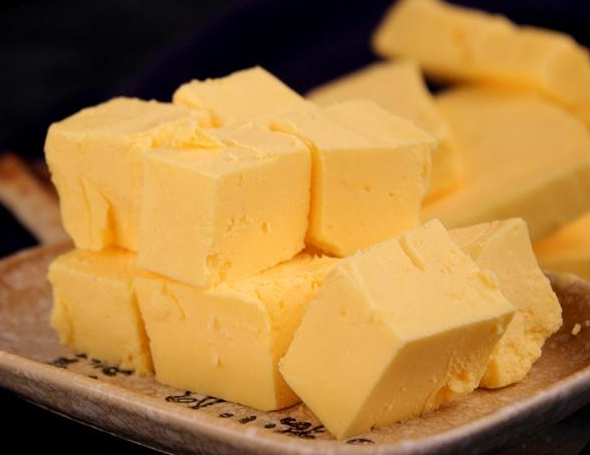
For Tibetans living in cold, high-altitude areas, butter is one of the key sources of daily energy, alongside meat from yaks and sheep. In the past, butter was also a symbol of wealth—the more butter a family had, the richer they were considered.
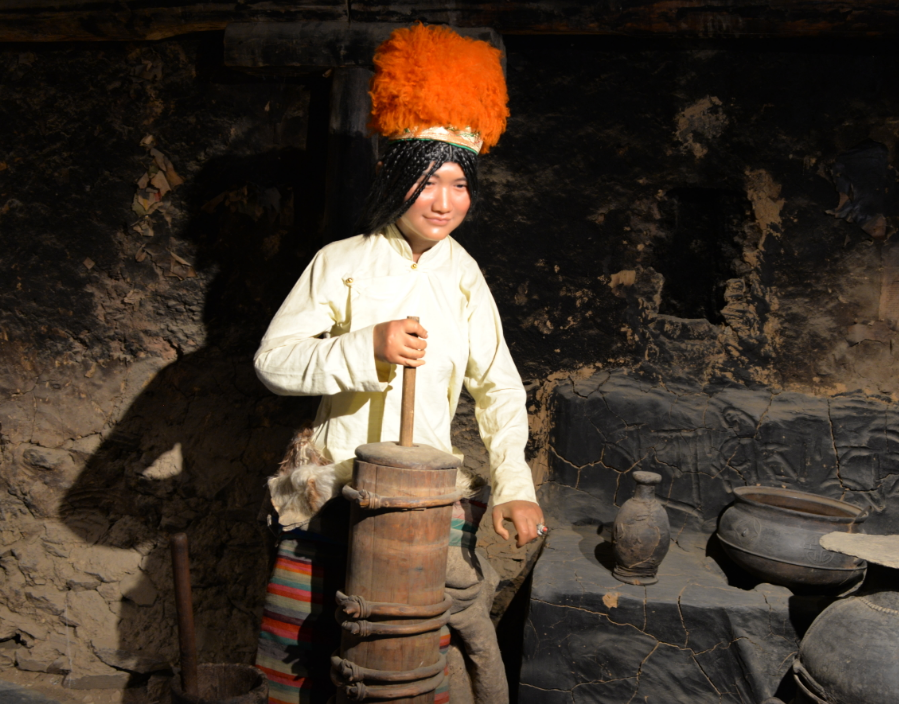
For Tibetans, butter is an indispensable part of daily life, a staple food and ingredient they rely on every day. So, where does butter come from? Butter is essentially a type of fat extracted from the milk of yaks or sheep. Every summer, Tibetan women busy themselves with “churning butter.” This involves using a wooden barrel about one meter tall, filling it with sheep’s or cow’s milk, and repeatedly pressing and lifting a plunger hundreds of times to separate the fat. It’s a labor-intensive process, as the butter produced in summer must last through the entire winter.
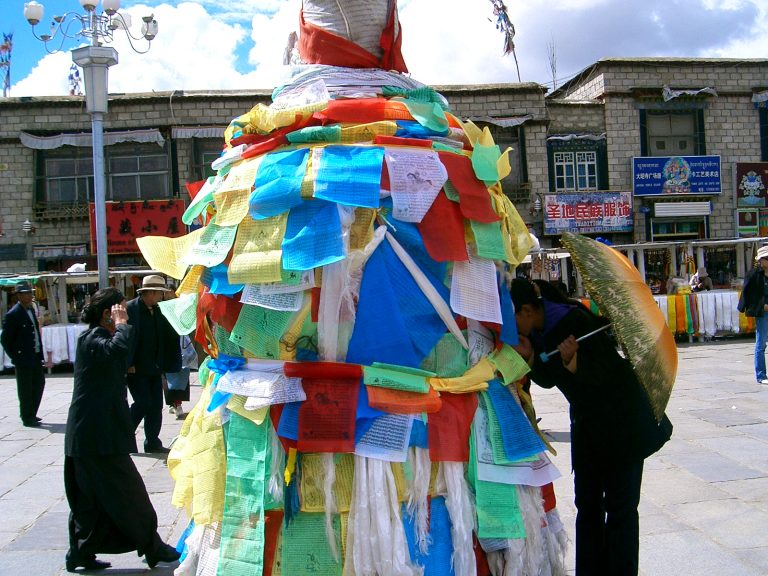
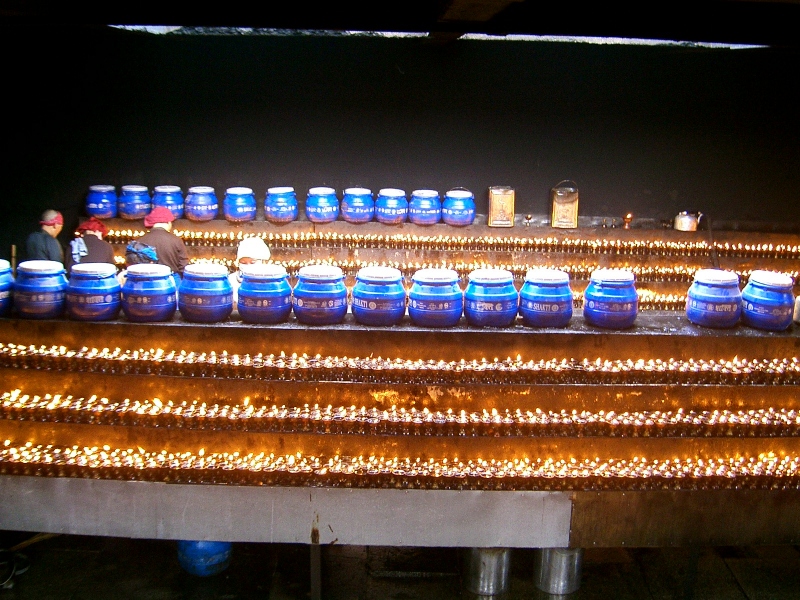
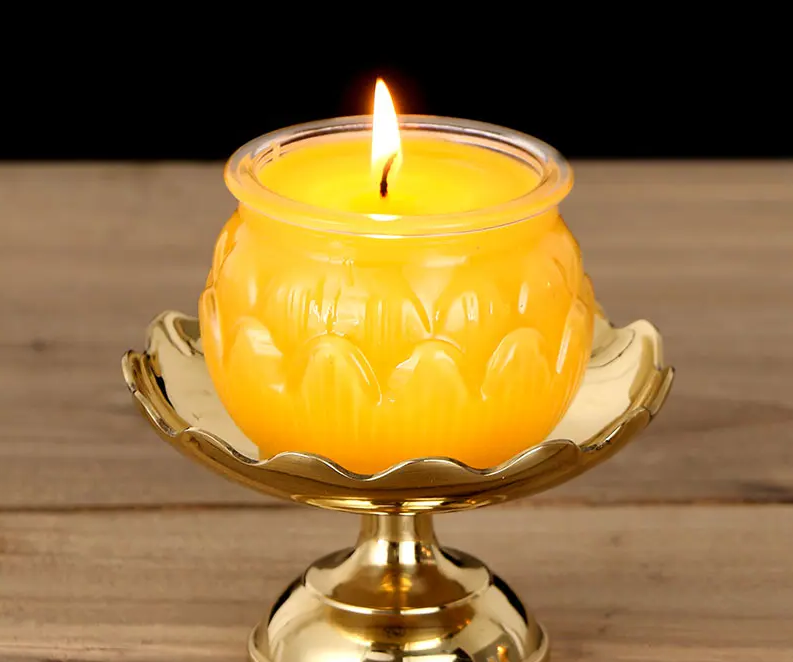
Butter also serves another purpose: fueling butter lamps, the “eternal flames” found in temples. Tibetans are a deeply religious people, and temples are ubiquitous across the Tibetan Plateau. Wherever there’s a temple, you’ll find butter lamps. Devotees frequently visit temples to replenish the butter in these lamps, an act of offering to the Buddha. This practice, along with their daily rituals like “circumambulating mountains and lakes, spinning prayer wheels, performing full-body prostrations, and hanging prayer flags,” is part of their routine prayers for blessings.